• Skip to main content
  • Skip to primary sidebar
  • Skip to footer

Elite Car Customs

Reading PA's expert for fun and functional upgrades for your ride!

1176 Park Rd Unit A10, Reading, PA 19605 484-671-2343
  • Home
  • Services
    • Car Audio
    • Remote Starters
    • Driver Safety
    • Window Tint
  • About Us
  • Location
  • Contact Us
  • Facebook
  • Instagram
  • Search

Car Audio

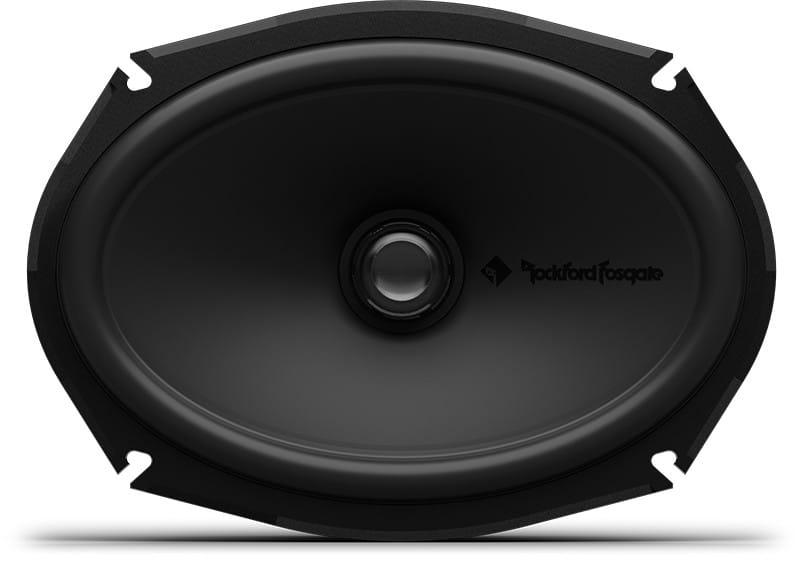
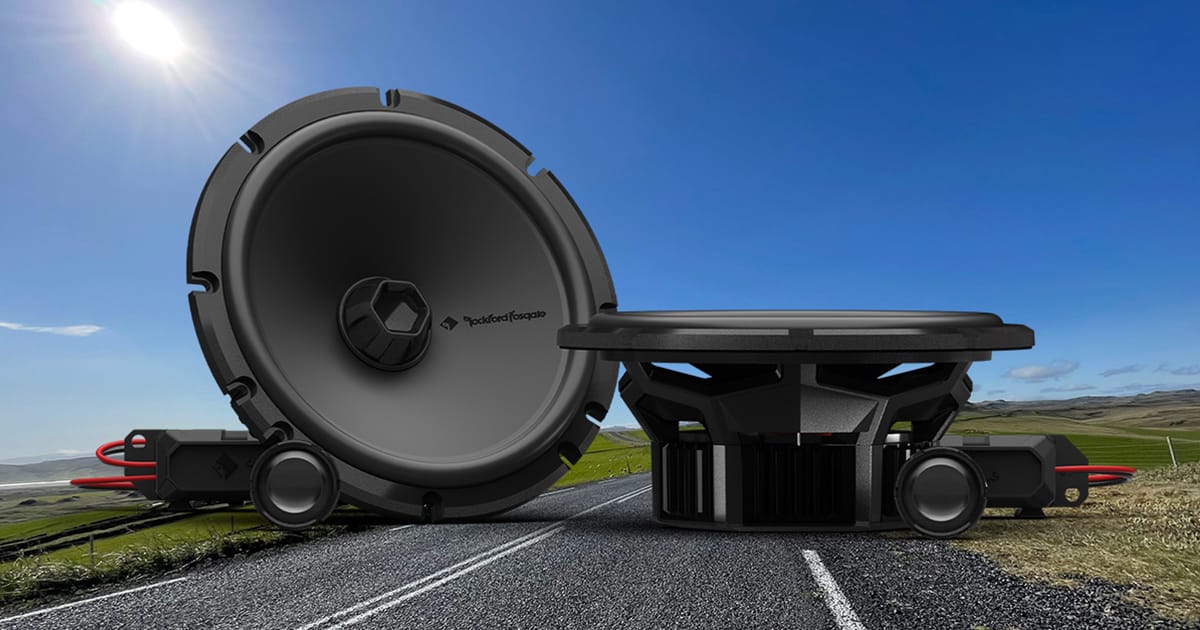
Product Spotlight: Rockford Fosgate Punch P1V2-65

Punch P1V2-65

If there is a single word that car audio enthusiasts associate with the brand Rockford Fosgate, that would be “Punch”. From the early Punch amplifiers, speakers and subwoofers, this legendary name invokes music that hits hard with a signature sound that fanatics have grown to love. Fans have been waiting for the next generation of car audio gear from Rockford Fosgate and since the company recently announced a complete redesign of their famous Punch Speaker line, we wanted to check it out. In particular, we’ll look at the P1V2-65, better known as the Punch P1 6.5” coaxial.

Design of the Punch P1V2-65 Speakers

The new Punch speakers are grouped differently from the outgoing models. The P1 series that we’ll examine first is a series of coaxial three-way speakers available in sizes ranging from 2.5 to 6.75 inches, including 3.5, 4, 5.25, 6.0, 6.5, 6×8, and 6×9. Yep, that’s something for almost any door, dash, pillar or parcel shelf on the road. The P1V2-65 is a 6.5-inch three-way coaxial set that includes a pair of drivers, mounting screws and spade terminals.

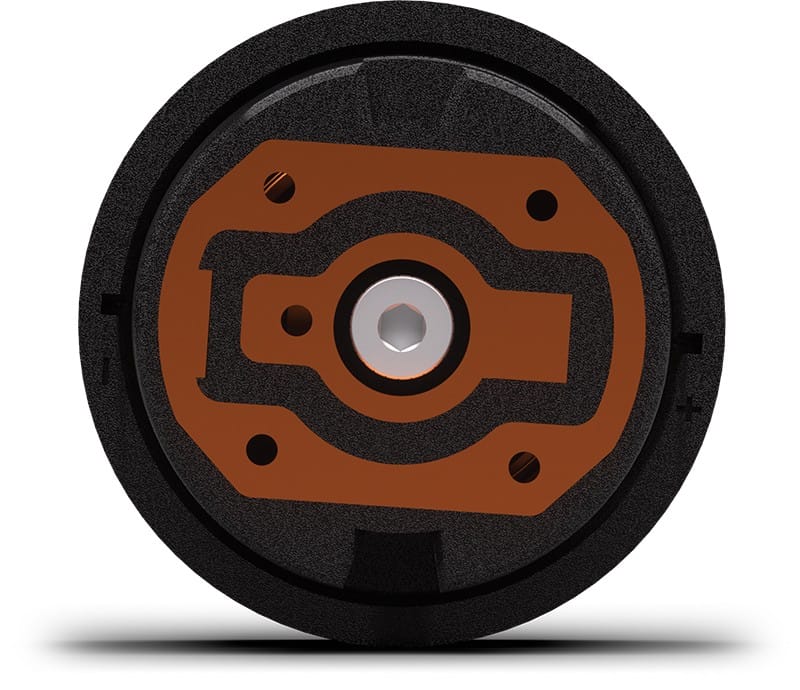
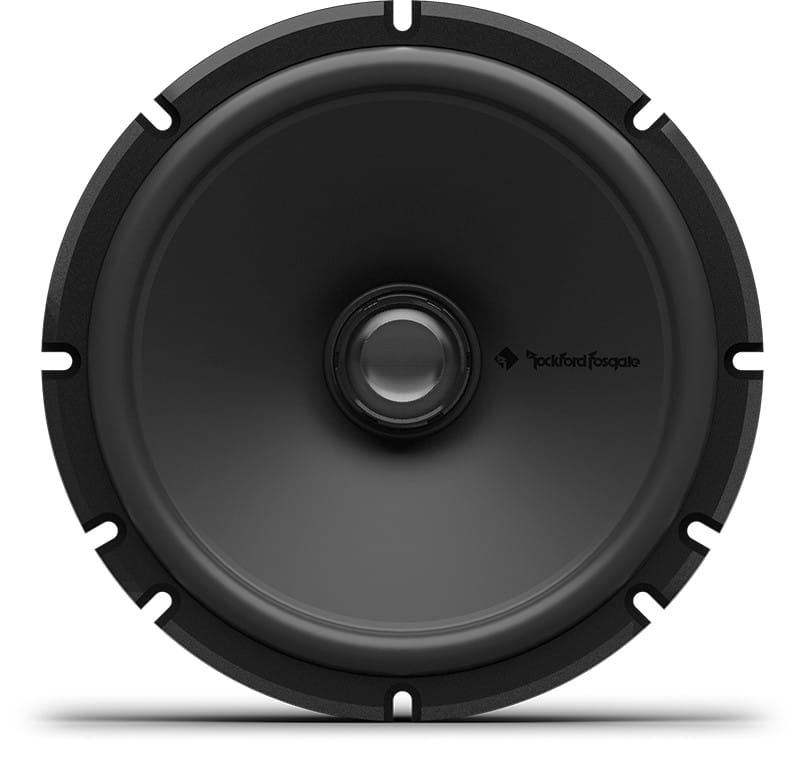
Starting from the top down, we find a glass-fiber-reinforced nylon basket with a unique hexagonal, six-spoke design. Those who pay attention to performance-enhancing features will note that the design is open under the spider mounting plateau, allowing for linear cone travel and enhanced cooling. The P1V2-65’s power handling is rated at 75 watts continuous and 150 watts peak.

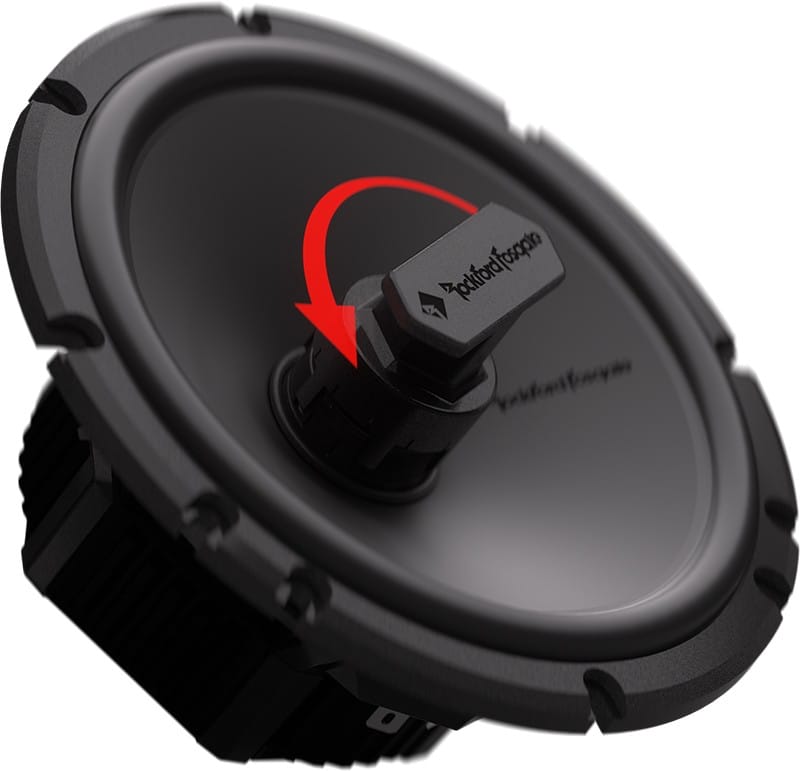
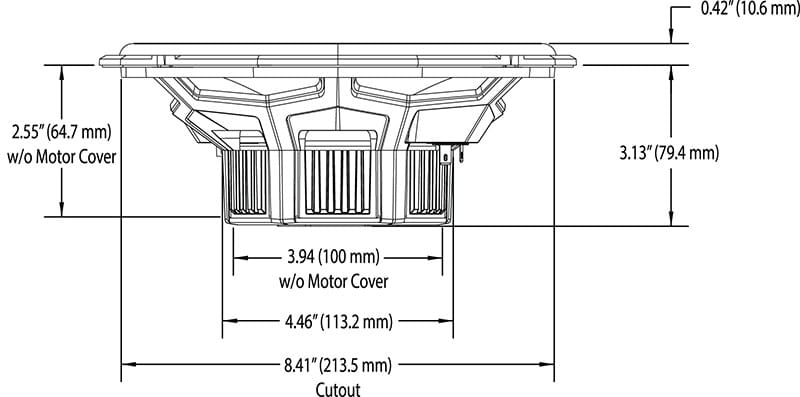
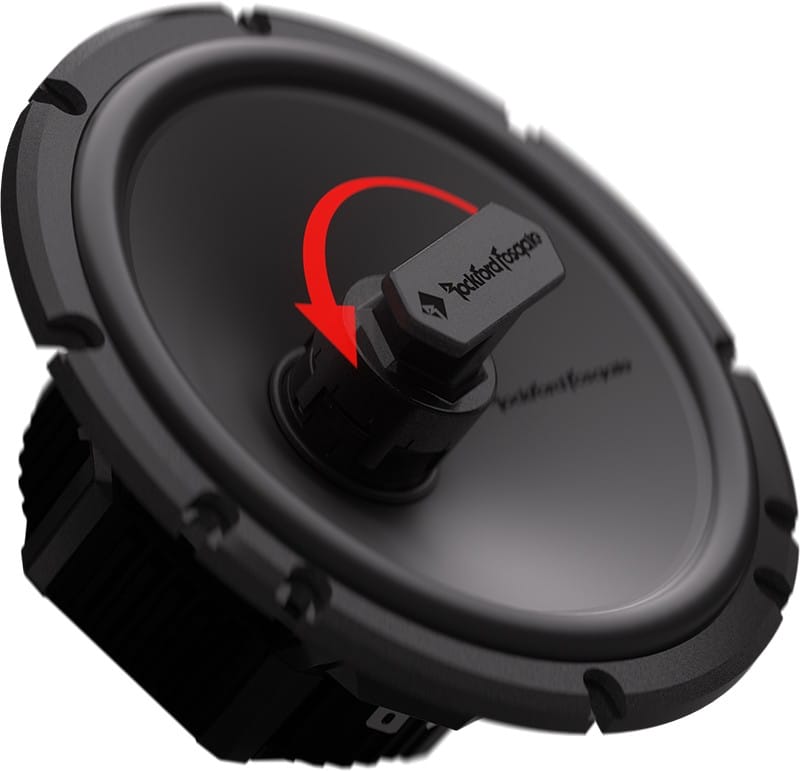
The mounting flange features what Rockford Fosgate calls their Auto Fit Architecture, which features a Factory Location Woofer Ring (F.L.W.R.) for easy fitment in OEM mounting locations. The goal here is to ensure the woofer bolts into your doors with no need to drill new holes. The drivers are 2.5 inches deep, but the magnet cover can be removed to reduce the depth to 2.22 inches when required.

Punch P1V2-65
The new Punch P1V2-65 speakers are based around glass-fiber-reinforced Nylon baskets.

Woofer Design Features

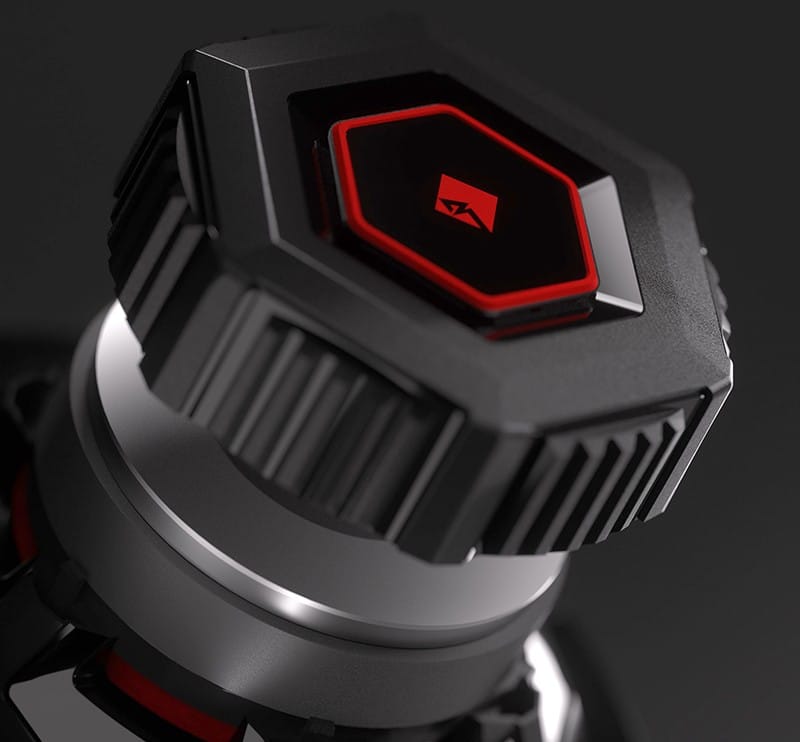
The woofer cone is attached to the basket with VAST 2.0 technology. The Santoprene rubber surround is as large as possible, resulting in these drivers having about 25% more effective cone area than competing solutions. This means more bass and improved efficiency. The cone is made from mica-reinforced polypropylene. The mica mineral enhances damping and thermal stability. The cones have a curvilinear shape for additional rigidity and resistance to resonance. The curvilinear design isn’t just for looks, as this feature significantly improves the dispersion of the audio for better sound quality. Interestingly, the surround is injection-molded (chemically bonded) directly onto the cone to ensure a reliable connection and predictable mass. The elimination of glue at this joint dramatically improves driver-to-driver consistency.

At the base of the woofer cone is a vented Kapton former. The driver has a nominal impedance of four ohms, making it compatible with all factory and aftermarket source units and amplifiers. A linear Nomex spider handles compliance. The tinsel leads are sewn to the spider to ensure they don’t add noise at high power levels.

Punch P1V2-65
VAST 2.0 dramatically increases the effective cone area of the woofer compared to conventional speaker designs.

Tweeters Bring the Details

As we mentioned, the Punch P1V2-65 is a three-way speaker. As such, it has a pair of tweeters. The main tweeter has a diameter of 0.75 inches and features an inverted 0.75-inch Tetolon® dome design. The super-tweeter has a diameter of 0.375 inches and sits near the edge of the main tweeter in a configuration called Tru-Sight™, similar to the eye-sight configuration of a hunting rifle. The super-tweeter uses a polypropylene dome design.

So, why add a super-tweeter? As we’ve explained many times, all speakers become directional at high frequencies. That frequency depends on the cone diameter. With a 0.75-inch tweeter, sounds above about 13 kHz will be quieter off-axis to the speaker. Since most car audio installations have us listening to the speaker’s output (as you’d find in a door) at 60 degrees, adding a super-tweeter to fill in those upper frequencies will ensure you can always hear your music.

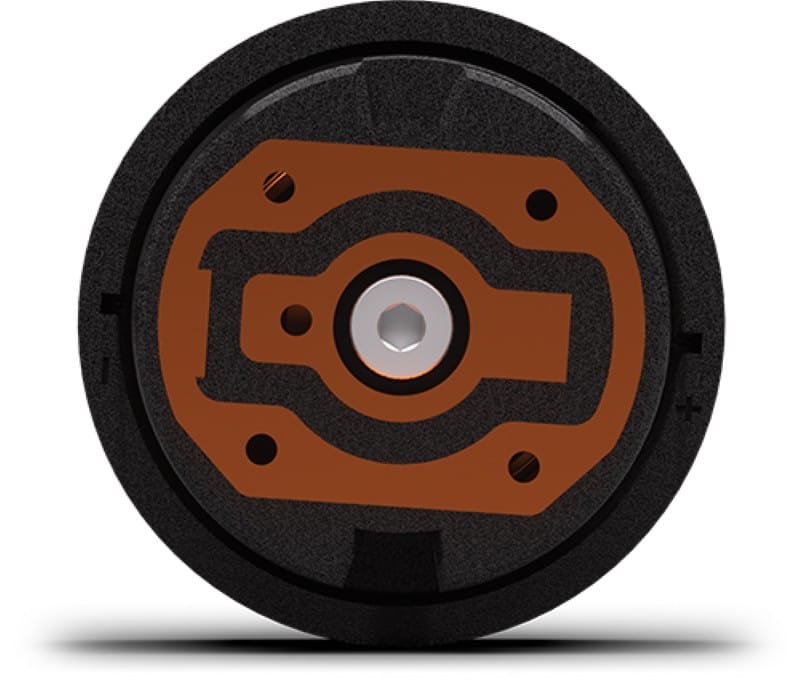
The crossovers for the tweeters are integrated into the basket. Rockford Fosgate refers to this as their Internal Concealed Crossover (ICC+) design. They use a cap for each tweeter to provide a 6 dB/octave roll-off.

Punch P1V2-65
The tweeter doesn’t protrude above the surround, so stock speaker grilles should fit in place without modification.

Premium Features Deliver Big Sound

The features of the new Rockford Fosgate Punch P1V2 drivers are truly impressive. Excellent materials, intelligent design and thoughtful execution should combine to make these an affordable high-performance solution. Not to mention, Rockford Fosgate spent considerable time ensuring the sonic signature lives up to the PUNCH legacy. To learn more about P1V2 speakers, visit a local authorized Rockford Fosgate retailer. You can find a shop near you using the locator tool on the Rockford Fosgate website.

Be sure to follow Rockford Fosgate on Facebook, Instagram and YouTube to keep up with all new product releases coming this year.

This article is written and produced by the team at www.BestCarAudio.com. Reproduction or use of any kind is prohibited without the express written permission of 1sixty8 media.
Filed Under: ARTICLES, Car Audio, Products, RESOURCE LIBRARY Tagged With: Rockford Fosgate

Product Spotlight: Pioneer DMH-W3050NEX

Pioneer DMH-W3050NEX

Pioneer and car audio go together like coffee and cream or a hot dog with ketchup — classic pairings that make sense. On that note, we are going to take a look at one of their NEX-Series double-DIN multimedia receivers in this spotlight. Let’s check out the DMH-W3050NEX.

Pioneer DMH-W3050NEX Platform

For most of us, describing a multimedia receiver as a double-DIN solution would tell us all we need to know. The DMH-W3050NEX is somewhat unique in that the radio’s chassis is single-DIN, while only the front panel shares the standard 4-inch by 7-inch dimensions. This allows the radio to work with many dash kits that won’t accept a radio with a four-inch-tall chassis. Right out of the gate, you’ve got enhanced compatibility in terms of vehicles this works with.

The radio features a 6.8-inch (measured diagonally) capacitive touch front panel with a WVGA 800 x 480-pixel color display behind it. There are six capacitive-touch buttons on the left side of the screen, providing access to menus, voice recognition and volume control.

Communication and Entertainment Options

Every top-quality multimedia receiver, such as the DMH-W3050NEX, includes Android Auto and Apple CarPlay smartphone connectivity. In this case, both platforms feature wireless connectivity, thanks to integrated Wi-Fi. There’s no better way to communicate with family, friends and co-workers; choose the entertainment you want, or get detailed turn-by-turn navigation instructions to almost any location in North America.

The radio includes an HD Radio receiver for FM radio. HD Radio not only improves audio quality on compatible stations, but provides access to additional programming on the digitally broadcast channels. For example, you might have a high-resolution music stream on 97.3, then a non-stop news broadcast on HD2 and sports on HD3, all transmitted on the single 97.3 carrier frequency. Best of all, HD Radio doesn’t require a subscription – it’s completely free. The FM tuner also includes RDS decoding.

The DMH-W3050NEX has a USB port on the rear of the chassis that will charge your phone with up to 1.5 amps of current. You can also connect a USB memory stick (or other Mass Storage Class device) to play WMA, MP3, WAV, AAC or FLAC audio files. When parked, you can also play AVI, DivX, MKV, H.264, H.265, MPG, and several other video file formats. Impressively, the deck supports full HD 1920×1080 resolution video files – something not all multimedia receivers can do.

The radio features a Bluetooth 5.3 transceiver, allowing you to stream audio from a portable media player and select tracks using the ACRVP profile. Speaking of connecting smart devices, the radio works with Pioneer’s Weblink app on your smartphone. You can stream video from a source like YouTube directly to the radio.

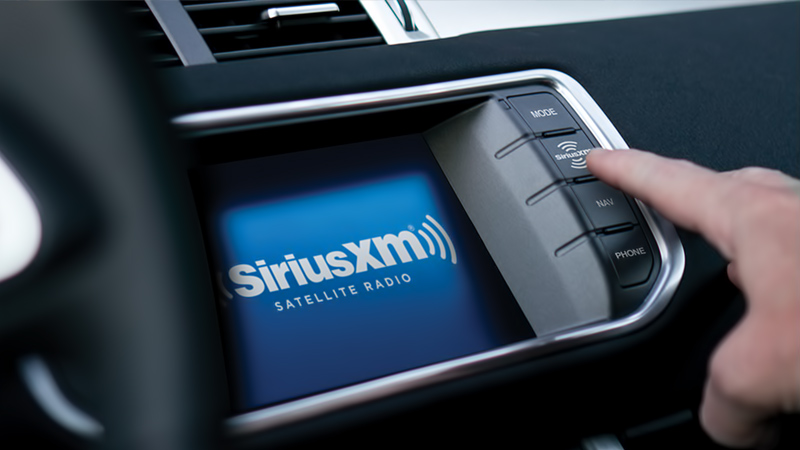
Your installer can upgrade the radio with a SiriusXM satellite radio receiver. With SiriusXM, you can enjoy genre-specific entertainment almost anywhere in North America.

Pioneer DMH-W3050NEX
The shallow L-shaped chassis simplifies the installation process and allows the DMH-W3050NEX to integrate into vehicles where a full double-DIN radio won’t fit.

Sound Quality and Signal Processing

The Pioneer DMH-W3050NEX is high-res audio certified, and it will decode digital audio files with sample rates up to 192 kHz. The deck includes a built-in amplifier rated to produce 14 watts of power in compliance with the ANSI/CTA-2006 standard. The front, rear and subwoofer preamp outputs will deliver up to four volts.

In terms of audio processing, the DMH-W3050NEX comes equipped with a 13-band graphic equalizer, adjustable slope and frequency crossovers and signal delays. In standard mode, the radio provides front, rear and subwoofer outputs. In Network mode, the outputs are configured for low, midrange and high-frequency output signals.

The radio is compatible with the iDatalink Maestro RR and RR2 radio integration module. Depending on your vehicle, this interface allows the radio to communicate with the CAN network in your car, truck or SUV. You can see climate controls, dashboard gauges, tire pressure, battery voltage, and even vehicle diagnostic code information. If your vehicle isn’t compatible with the Maestro RR or RR2, your installer can likely connect to the steering wheel buttons using an interface like the Maestro SW.

Pioneer DMH-W3050NEX
The Pioneer DMH-W3050NEX boasts wireless connectivity for Apple CarPlay and Android Auto.

The Heart of a Premium Sound System

If you’re shopping for a well-equipped, high-performance multimedia receiver to upgrade your vehicle, visit a local authorized Pioneer dealer and ask about the DMH-W3050NEX. You can find an authorized retailer near you by clicking the “Find a Store” link from anywhere on the Pioneer website.

For more information on Pioneer source units, speakers, amplifiers, subwoofers and dashcams, follow them on Facebook, Instagram and, of course, YouTube.

This article is written and produced by the team at www.BestCarAudio.com. Reproduction or use of any kind is prohibited without the express written permission of 1sixty8 media.

Filed Under: ARTICLES, Car Audio, Products, RESOURCE LIBRARY Tagged With: Pioneer

Product Spotlight: Mosconi Pro 4|30

Mosconi Pro 4|30

There are hundreds, if not thousands, of different options available when picking an amplifier for your car audio system. Some amplifiers focus on offering a diminutive footprint to simplify installation but sacrifice thermal stability. Others concentrate on producing prodigious amounts of power at the expense of audio signal purity. Mosconi’s Pro series amplifiers were designed to be reliable and sound great. Let’s look at the Pro 4|30 four-channel amp in this Product Spotlight.

Mosconi Pro 4|30 Specifications

As mentioned, the Mosconi Pro 4|30 is a four-channel amp that’s rated to produce 170 watts of power per channel when driving four-ohm loads. Output power increases to 225 watts per channel with two-ohm loads. Each pair of stereo channels can be bridged to drive a single four-ohm load and provide it with 450 watts of power. Mosconi states that the amp has a signal-to-noise ratio of -83 dBA, referencing one watt of power.

The amplifier chassis measures a robust 500 by 205 by 55 millimeters, or 19.7 inches long, 8.07 inches wide and 2.18 inches tall. The chassis design is unique in that the front and rear halves of the amp are wrapped in vertical aluminum plates. The rear third of the amp is mostly a finned heatsink with two cooling fans mounted on top. The center and bottom thirds of the amp conceal the circuit board.

Mosconi Pro 4|30
The Pro 4|30 has a unique chassis design.

Amplifier Connections and Features

All the power, signal, and speaker connections are made along the front edge of the amp using integrated terminal blocks. The hex-head set screws for the connections are accessible through openings in the top panel. An easily replaceable 150-amp mini-ANL fuse accessible from the top protects the amp from wiring mishaps.

The four sets of speaker connections are just to the left of the center of the chassis. Once again, terminal blocks with set screws accessible from the top of the amp ensure a reliable connection. Installers should pay close attention to the polarity labels, as the adjacent channels are inverted when viewed left to right.

Finally, on the left side of the amp, we find the input for the optional RTC remote level control and two sets of RCA input jacks.

Mosconi Pro 4|30
All connections are made along the front edge of the amp to keep the installation tidy.

Audio Processing Options

While the Pro 4|30 may look simple at first glance, it’s got all the features your installer will need to extract excellent performance from your speakers. The settings for Input A and Input B are once again accessible from the top panel and located at the amp’s far left end. The amp can accept audio signals from 350 millivolts up to 12 volts. The amp has a button that enables the high-level input range. When the high-level input is activated, the amp monitors the input for the presence of the BTL offset voltage and activates the amp automatically when detected. A Direct DSP (DDSP) button bypasses much of the audio processing for those instances when using a digital signal processor and locks the input sensitivity to 5.3 volts.

Concerning crossovers, Input A has a -12 dB/Octave high-pass filter that can be set between 43 and 500 hertz, or 430 Hz to 4 kHz when the x10 multiplier button is depressed. Input B has a high-pass crossover that’s adjustable from 18 to 220Hz and a low-pass crossover adjustable from 43 to 500 Hz. It would be nice if the Input B low-pass crossover had an x10 button. That said, most installations with this amp will include a digital signal processor.

Mosconi Pro 4|30
All the audio processing controls are located on the top panel just above the RCA input jacks.

High-Bias Operation

If you’d read our articles on amplifier distortion, you’ll know that crossover distortion in Class-AB designs can, when not designed or calibrated properly at the factory, result in sound quality issues, especially at low volume levels. Mosconi’s taken a novel approach to maximizing sound quality by configuring the amp to operate in what they call AAB mode. The output devices are biased to operate in full Class-A mode up to 30 watts of power. Class-A operation eliminates the crossover distortion issue. However, this operation mode means the amp will turn the output devices on halfway when no signal is played. This increases current consumption, so the amp will get quite warm. When running this beauty, you’ll want to ensure your vehicle has a robust electrical system.

Once the output level exceeds 30 watts per channel, the amp reverts to conventional, though still sonically excellent, Class-AB mode. In short, you should experience impressive clarity at low volume levels and still be able to crank things when the mood requires. Very cool!

Mosconi Pro 4|30
The Pro 4|30 circuit board uses high-quality surface-mount devices, and the output MOSFETs are clamped to an extruded aluminum heatsink.

High-Quality Car Audio Amplification

Though a handful of sound-quality-focused amplifiers are still on the market, they are becoming rarer. You can find smaller, more efficient amplifiers to power your car audio system. However, we suggest formally auditioning the unique Mosconi Pro 4|30. It would be well worth the time investment if you plan on installing a truly high-end audio system in your vehicle. You can find an authorized Mosconi dealer near you using the Find a Dealer tool on the Mosconi America website.

Be sure to follow Mosconi on Facebook and YouTube to learn more about their amazing car audio products.

This article is written and produced by the team at www.BestCarAudio.com. Reproduction or use of any kind is prohibited without the express written permission of 1sixty8 media.

Filed Under: RESOURCE LIBRARY, ARTICLES, Car Audio, Products Tagged With: Mosconi

Will Upgrading My Speakers Make My Stereo Sound Better?

Upgrading My SpeakersWhen it comes to reproducing an audio signal, your speakers are the most important component in the food chain. You could have the best source unit and amplifiers known to man, but if your speakers are mediocre, then the listening experience will suffer. That said, the world of car audio has changed over the years. With all of the changes in new cars lately, a question that often comes up is “Will upgrading my speakers make my stereo sound better?”.

Factory Audio Complexities

Upgrading My Speakers
Factory speakers are built to fit a budget.

Spurred by the efforts of companies like Harman and Bose, factory audio systems sound better than ever. Does that mean they sound great? Not necessarily. OEM audio systems have amazing technologies and elaborate tuning, but they are often missing a crucial component – excellent speakers. Why go to all that trouble and not use the best speakers possible? In most cases, the answer is cost. Building an inexpensive speaker may cost $20 or $30. Building one that is “really good” can cost more than 10 times as much, and it goes up from there. These prices don’t include packaging, shipping, marketing, training or warranty costs. When you consider that most cars with premium sound systems have somewhere between 12 and 20 speakers, with a few having more than 30, implementing truly excellent speakers would have a dramatic effect on the final cost of the vehicle.

How About Just Upgrading My Speakers?

Upgrading My SpeakersIf you had a high-end, two-channel home audio system, upgrading your speakers would be one of the easiest ways to improve the clarity, detail and accuracy of your audio system. If you have a simple stereo system in your car, the same philosophy holds true.

There is a problem, though. More and more factory audio systems, even systems without elaborate amplifiers, include signal processing to make the inexpensive speakers they use sound better. Let’s look at an example.

Chrysler is well known for its use of a woofer in the front door of its vehicles and a small midrange driver on the dash. In most applications, this midrange driver has no tweeter. The amplifier in the car or truck is tuned to increase the high-frequency information sent to that speaker. The result is that you hear high-frequency content in a relatively good balance with the midrange information.

Let’s say we upgrade those dash speakers with a good quality midrange speaker with a coaxial tweeter. The high-frequency signal boost from the amplifier or source unit now results in far too much treble information in the system. Yes, we upgraded the speakers, but now the system sounds worse. In fact, it may be unlistenable.

The same issue exists with any speaker we want to upgrade. Adding a subwoofer, better door speakers or new speakers in the back of the car can all result in a system that doesn’t sound as good as the factory system. Every speaker has different efficiencies, frequency response characteristics and frequency limits. Assuming you can swap one for another will lead to problems.

How Do We Upgrade Our Sound Systems?

Upgrading My SpeakersWithout getting into the complexities of sound systems with upmixers and other elaborate processing, the simplest method of upgrading is to include a digital signal processor and amplifier into the system. Here’s how this works.

Your mobile electronics retailer will install a digital signal processor, a new amplifier and your new speakers. He or she can then measure the output of each new speaker using a real-time analyzer and adjust the processor it so that it produces smooth and natural frequency response. The process should take just an hour or two, but it results in a significant improvement how the system sounds. Proper tuning is as important as the choice of speakers and their installation.

With most DSP units on the market, the tuning process can improve the frequency response of the system – and where the sound comes from. Ensuring that both left and right speakers sound the same at the listening position is crucial to creating the feeling that your music is coming from a soundstage right in front of you.

It’s Not Just Your Stereo

Upgrading My SpeakersYour speakers are not the only part of your vehicle that has become more complicated to upgrade. Decades ago, a set of headers and a large diameter, free-flowing exhaust could unleash a noticeable increase in performance. Your mechanic could fine-tune a carburetor to increase engine performance based on the efficiency improvements you chose.

With modern computer-controlled engine management systems, you can’t change anything. If you decide to modify the intake or exhaust, the computer may not like the changes and turn on a Check Engine light. The solution? A programmer can be purchased to recalibrate the engine management system for the modifications you have made. Do you see the parallels?

Upgrade for Better Sound

The answer to the question of whether upgrading your speakers will make your stereo sound better is a resounding yes. But the overall system design needs to be taken into consideration for the upgrade to be successful.

If you’re on the fence about upgrading your audio system, drop into your local mobile electronics retailer and listen to their demo vehicle or a set of high-end speakers on their display board. Ask if they can demonstrate how digital signal processing can improve the performance of a mobile sound system. Once you’ve heard how amazing a well-installed and properly tuned car stereo can sound, we think you’ll be hooked.

This article is written and produced by the team at www.BestCarAudio.com. Reproduction or use of any kind is prohibited without the express written permission of 1sixty8 media.

Filed Under: ARTICLES, Car Audio, RESOURCE LIBRARY

Product Spotlight: Focal PS 165 SF

Focal PS 165 SF

When it comes to premium car audio speaker upgrades, most enthusiasts know that Focal offers more solutions than any other. With offerings ranging from OE replacement to benchmark quality, there’s a speaker at a price point for every budget. In this spotlight, we will look at the PS 165 SF two-way, 6.5-inch Slatefiber kit. Let’s check it out!

What is the Focal PS 165 SF kit?

The PS 165 SF speaker kit includes a pair of 6.5-inch woofers, two 20mm tweeters and a set of passive crossover networks.

The woofers are based around a cast aluminum basket. The basket has five sets of twin spokes connecting the mounting flange to the base in what they call the Rotor Effect Basket. Four large (roughly 1-inch) slots in the mounting lip secure the basket to the vehicle. The basket has a bluish-slate color that matches the woofer cone color. Electrical connections are handled by a set of quick-connect terminals housed in a custom-tooled plastic block. The tinsel leads are neither rubber-coated nor sewn to the spider, but the plastic block has dedicated routing to ensure the leads do not slap the cone or spider at high excursion levels.

Focal PS 165 SF
The wire connection terminal block includes routing for the tinsel leads to ensure they operate silently at high output levels.

Slatefiber Woofer Features

The woofer cone is made from non-woven recycled carbon fibers and uses the marketing name Slatefiber for its blueish slate stone appearance. The random design of the cone helps with damping, resulting in smoother high-frequency response. As with many Focal speakers, there’s no dust cap, which helps reduce the mass of the moving assembly to improve upper midrange performance. A large rubber surround provides cone damping and a reliable, flexible seal at the top of the cone. At the base of the cone is a 25mm voice coil former that gives the set an 80-watt continuous power rating. A single ceramic magnet powers the woofer.

A quick look at the woofers’ specifications shows a resonant frequency of 66.8 Hertz, a Qts of 0.592 and an effective surface area of 132 square centimeters. Focal has chosen a slightly lower-than-normal impedance for the woofer, with the DC resistance being 2.8 ohms. This will increase the maximum power available from whatever amplifier you choose to drive the kit.

Focal PS 165 SF
A butyl rubber surround ensures long-term reliability for the Slatefiber woofers.

Focal Aluminum Magnesium Tweeter

The kit includes a pair of Focal’s proprietary aluminum and magnesium inverted hard-dome tweeters. The tweeters have an effective radiating diameter of 20mm, a DC resistance of 4 ohms and a resonant frequency of 2.6 kHz. Their efficiency is rated at 93 dB at 2.83V at 1 Meter.

While tweeter performance is crucial to hearing all your music, installation flexibility is equally important. The Al/Mg tweeters have a flush mounting cup with a grille and integrated phase disc. The raw tweeter can also be installed without the cup in OE applications. The kit also includes surface mount pods for the tweeters when used with their cups. This will allow your installer to mount the tweeters to your dash and aim them toward the listening position.

Focal PS 165 SF
The Aluminum/Magnesium tweeters can be mounted without their cups in OE locations.

Passive Crossover Networks

A crucial key to the performance of a component speaker set is to use it with either a properly configured and calibrated digital signal processor or with the right passive crossovers. Focal includes passive crossover networks with the PS 165 SF kit. Uniquely, the woofers’ low-pass filters and the tweeters’ high-pass filters are in different housings. This allows your installer to split the wiring and mounting locations if you have a dash or A-pillar tweeter location and a door location for the woofer. The tweeter crossovers include a three-position switch on the circuit board that allows your installer to reduce tweeter output by 3 or 6 dB to compensate for different mounting distances and listening preferences.

Focal PS 165 SF
The passive crossover networks for the woofers and tweeters are in separate enclosures to make installation easy.

Focal Slatefiber Speaker Design

Looking at all the features of the Focal PS 165 SF Slatefiber set, its efficiency is one of the many features that stand out. As such, these speakers can be used effectively with either a factory-installed or aftermarket radio using “deck power.” If you want more output, a small to medium-sized stand-alone amplifier will provide more output and likely improve clarity—the flexible crossover design complements the OE upgrade suitability of the kit.

If you are in the market for a set of speakers to enhance your mobile audio system, visit a local authorized Focal dealer and ask about the PS 165 SF Slatefiber set. You can find a dealer near you using the store locator tool on the Focal website. For more information on Focal products, be sure to follow them on Facebook, Instagram and on YouTube.

This article is written and produced by the team at www.BestCarAudio.com. Reproduction or use of any kind is prohibited without the express written permission of 1sixty8 media.

Filed Under: RESOURCE LIBRARY, ARTICLES, Car Audio, Products Tagged With: Focal

  • Page 1
  • Page 2
  • Page 3
  • Interim pages omitted …
  • Page 14
  • Go to Next Page »

Primary Sidebar

About Us

About-us

If you live in Berks Country, Pennsylvania, you have dozens of options in terms of where to go for audio system, collision avoidance, remote starter and window tint upgrades for … [Read More...]

Car Audio

V2-Sliders-Car-Audio-A1b

Whether you want the precision of a recording studio, the impact of a concert or both, car audio upgrades from Elite Car … [Read More...]

Window Tinting

Window Tint

Tinting the windows of your car or truck is a great way to add comfort and style to the vehicle. The automotive window … [Read More...]

Remote Car Starters

Remote Starter

Remote Car Starters One of the most popular product categories at Elite Car Customs is remote car starters. Imagine being able to start your vehicle with the push of a button so … [Read More...]

Footer

Location


Get Directions to Elite Car Customs

Connect with Us

  • Facebook
  • Instagram

Services

  • Car Audio
  • Remote Starters
  • Driver Safety
  • Window Tint

Hours

Monday, Tuesday, Wednesday, Thursday, Friday9:00 am – 5:00 pm

Copyright © 2025 Elite Car Customs · Privacy Policy · Website by 1sixty8 media · Log in